
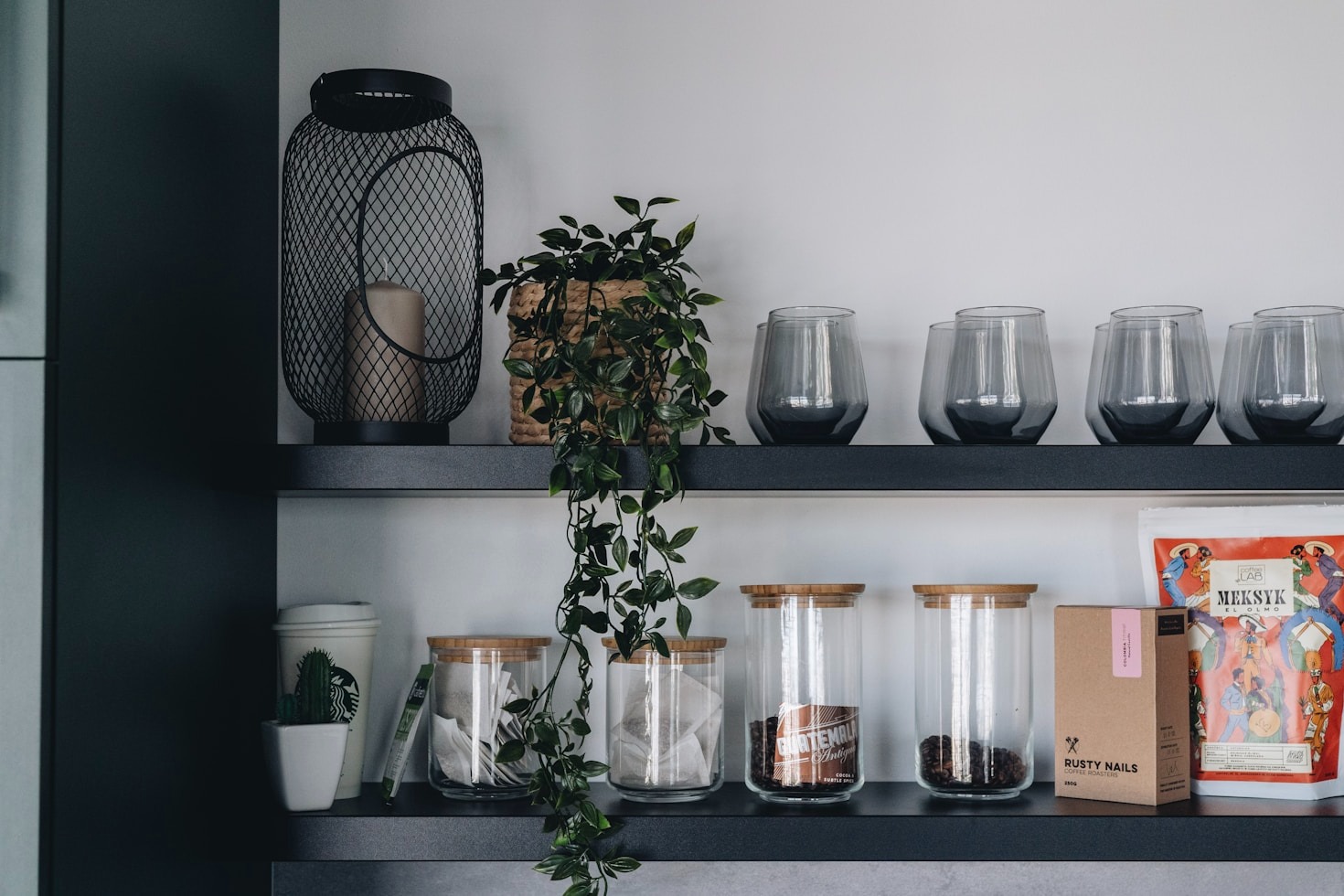
Decluttering is useful only when it improves how a home functions and handles unwanted items responsibly. Moving everything into rubbish bags may make a room look empty, but it can waste usable goods and postpone decisions.
Define the purpose of each space
Write one sentence for every room or storage area: what happens here, who uses it, and what must be easy to reach. This gives you a standard for deciding what belongs. Start with one drawer, shelf, or square metre so the process can be completed in a single session.
Use five clear destinations
Sort items into keep here, move elsewhere, donate or sell, recycle through an appropriate service, and dispose. Avoid a large “maybe” pile. If a decision needs research, label the item with a decision date and the specific information required.
Evaluate items by use and cost
Ask when the item was last used, whether it serves a current need, whether another item already does the job, and what it would cost to borrow or replace. Do not keep something only because it was expensive; the money has already been spent. Keep sentimental items deliberately in a defined container rather than letting them occupy every storage area.
Choose responsible exit routes
Donate clean, safe, working items that an organization actually accepts. Sell only items valuable enough to justify the time and set a deadline before donating them. Use local programs for electronics, batteries, paint, medication, textiles, and hazardous household waste. Never leave donations outside a closed facility or put dangerous materials in ordinary recycling.
Organize only after reducing
Measure the remaining items and the available storage before buying containers. Place frequently used objects between waist and eye level, heavy items low, and occasional items higher. Use labels that describe a category clearly. Leave some empty capacity so new items can be stored without starting another pile.
Prevent the clutter from returning
Create a home for incoming mail, packages, bags, and clothing. Review one small area each week. Before a non-essential purchase, ask where the item will live and what maintenance it requires. A one-in, one-out rule can help in crowded categories, but thoughtful purchasing is more effective than constant disposal.
A finished small area builds better habits than an entire room left in sorting piles. Stop each session with the floor clear and outgoing items scheduled for removal.
Leave a Reply